
Eastern DR Congo: fighting in Kalehe drives civilians from their homes
The local lull reported in Kambali does not end the emergency in South Kivu. Reports describe displacement and casualties, but the figures remain incomplete. Meanwhile, the UN has updated the sanctions entry for AFC to include the name FRN.
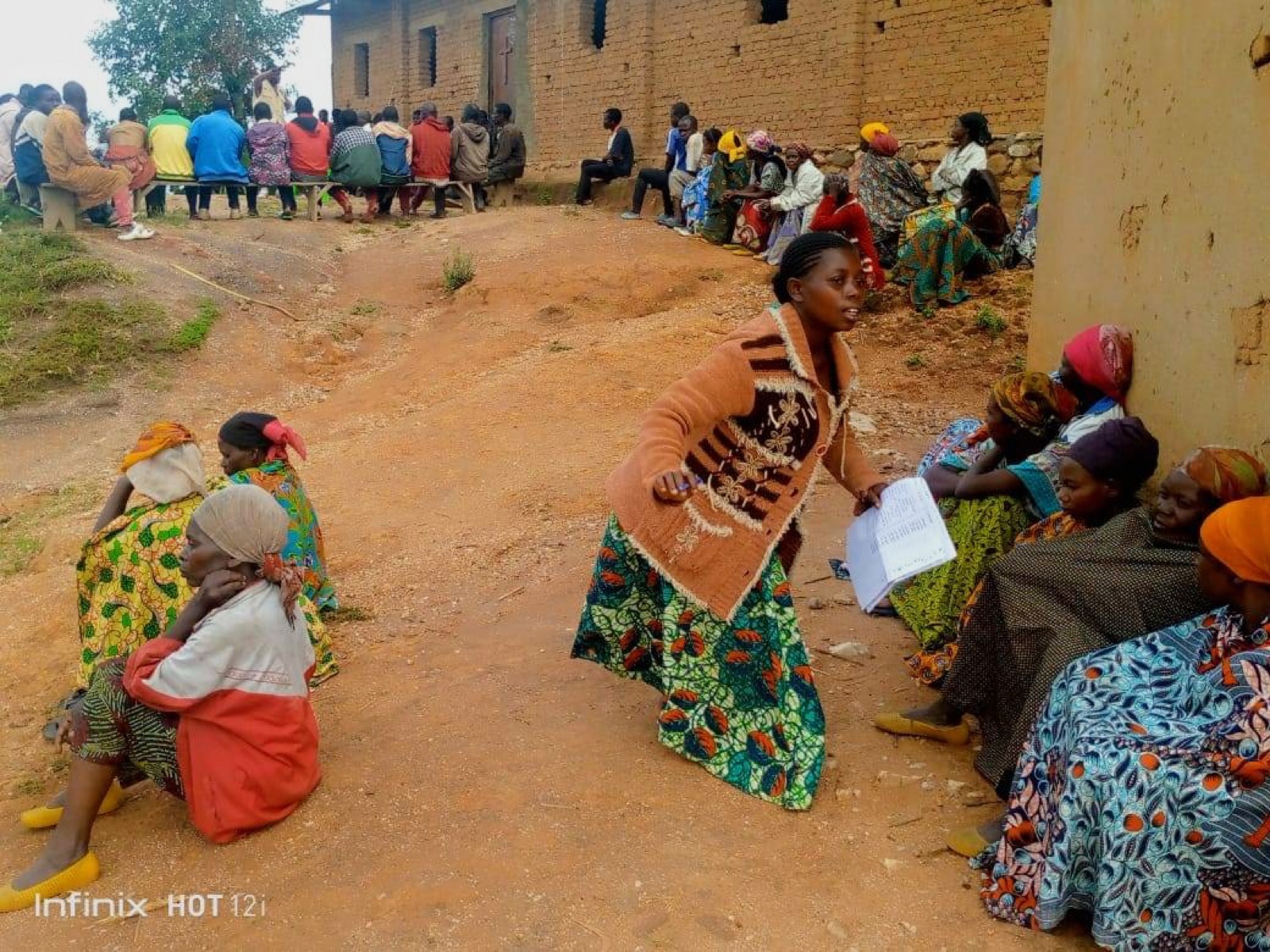
More than ten civilians died in the Kalehe clashes on 7–12 November.
At a glance
Sources consulted describe fighting between the army and FRN rebels in Kalehe, eastern Democratic Republic of the Congo, with civilians fleeing. This investigation has no definitive independent casualty count. On 11 November, the UN added FRN as an alias of AFC on its sanctions list: this was not a new listing of M23. [1–3]
Frequently asked questions
What is known about the fighting in Kalehe?
Sources consulted describe fighting between the army and FRN rebels in Kalehe, eastern Democratic Republic of the Congo, with civilians fleeing. This investigation has no definitive independent casualty count. On 11 November, the UN added FRN as an alias of AFC on its sanctions list: this was not a new listing of M23. [1–3]
What remains unverified about the fighting in Kalehe?
More than ten deaths between 7 and 12 November is the army's toll relayed by Radio Okapi, not independently confirmed. OCHA's figure of at least five covers a different period and does not validate that total. Red concerns the specific toll, not the existence of casualties or displacement. The UN FRN/AFC alias remains a separate verified documentary fact.
Have any businesses reopened?
Radio Maendeleo also reported shops and restaurants reopening in Bulambika. This is not a contradiction to remove from the story. A local resumption of activity can coexist with people fleeing other areas. Scenes of everyday life do not prove that an emergency has ended; nor does an emergency justify describing every town as completely paralysed. [4]
A pause in gunfire is not yet a return to normal
In Kambali, the silence of the guns is described as a fragile pause. On 14 November, Actualite.cd reported, citing local sources, that after two days of fighting, detonations had no longer been heard since the previous evening. The newspaper placed FRN forces still in the settlement and government forces, supported by Wazalendo fighters, withdrawing towards Kambegete. It stressed that the human and material toll remained difficult to establish. [2]
This is a journalistic account of a particular place and time, not a verified map of the entire front. That distinction matters: a halt to fighting in one locality does not necessarily make roads safe, allow families to return or end operations nearby. The same report continued to describe military activity around Bulambika. [2]
The civilian cost beyond the front line
On 11 November, Radio Maendeleo described new arrivals along the lakeshore and other routes in Kalehe. Its correspondents reported children separated from their families and vulnerable people showing signs of illness. Displaced residents spoke of destroyed homes and fields, abductions and restrictions. These are attributed accounts: on their own, they do not establish the perpetrators or circumstances of every individual incident. [4]
The same source also reported shops and restaurants reopening in Bulambika. This is not a contradiction to remove from the story. A local resumption of activity can coexist with people fleeing other areas. Scenes of everyday life do not prove that an emergency has ended; nor does an emergency justify describing every town as completely paralysed. [4]
Why the numbers require caution
On 13 November, Radio Okapi reported more than ten civilian deaths according to the spokesperson for the 34th military region, covering 7–12 November. It set that figure alongside an OCHA report of 11 November citing at least five deaths based on local information. The original humanitarian document was not recovered during this verification. [3]
Another humanitarian alert available online illustrates the difficulty. Alert 6659, still awaiting assessment, gives 13,842 people and 2,307 households arriving in the Katana area in its narrative; its table instead lists 25,842 people and 4,307 households. It cites the Congolese Red Cross and local informants but does not explain the difference. [5]
Choosing one figure merely because it appears in a table would be arbitrary. The alert helps track concerns about needs, not establish a consolidated total. It describes host families and needs for shelter, food, water, sanitation, healthcare and protection. Those operational priorities remain relevant while the count is unresolved. [5]
The UN update: FRN added to the AFC entry
The documentary record contains a clearer development. A UN notification dated 11 November amends entry CDe.010, Alliance Fleuve Congo (AFC) by adding Front pour la Refondation de la Nation (FRN) among its alternative names. The same page gives 14 July 2026 as the original listing date. [1]
It is therefore inaccurate to describe this action as a new listing of M23 in November. An amendment to an alternative name and a new designation are different actions. The document verifies a change to the list, not the outcome of fighting or responsibility for each casualty.
The relevant UN committee oversees a regime that includes an arms embargo covering non-governmental entities operating in the DRC, travel restrictions for designated individuals and the freezing of resources. Identifying the entities concerned therefore has practical significance, separate from changing names in political and military narratives. [6]
What we can say, and what remains unresolved
The FARDC position appears in the reports consulted; we have not opened an original FRN response concerning the specific incidents described here. That limitation does not erase civilian testimony, but it prevents a reliable final account of responsibilities and positions on the ground.
Traffic light: red, unconfirmed. More than ten civilians died in the Kalehe clashes on 7–12 November. More than ten deaths between 7 and 12 November is the army's toll relayed by Radio Okapi, not independently confirmed. OCHA's figure of at least five covers a different period and does not validate that total. Red concerns the specific toll, not the existence of casualties or displacement. The UN FRN/AFC alias remains a separate verified documentary fact.
Sources and documents
- UN, 1533 Committee notification, 11 November 2026: https://main.un.org/securitycouncil/sites/default/files/2026/1533_NV_En_Amd%201.pdf
- Actualite.cd, Kambali, 14 November 2026: https://actualite.cd/index.php/2026/11/14/kalehe-accalmie-precaire-kambali-apres-deux-jours-de-violents-combats-entre-larmee-et
- Radio Okapi, casualty reports in Kalehe, 13 November 2026: https://www.radiookapi.net/2026/11/13/actualite/securite/une-dizaine-de-civils-tues-dans-des-affrontements-fardc-frn-kalehe
- Radio Maendeleo, displacement and local resumptions of activity, 11 November 2026: https://radiomaendeleo.org/kalehe-la-violence-ne-tarit-pas-dintensite-les-deplaces-crient-a-laide/
- EHTools, alert 6659, preliminary status since 12 November 2026: https://www.ehtools.org/alert-view/6659
- UN, DRC sanctions committee, measures page consulted on 15 November 2026: https://main.un.org/securitycouncil/en/sanctions/1533
Corrections and status
Correction: the UN entry has been corrected from the preparatory card to identify AFC, not M23. An independent fidelity review of all six versions has been completed; this is not native-speaker certification. Cleared contemporary photographs are still unavailable: the lead image is a disclosed AI illustration, not evidence of the events.